Home Window Tinting: A Smart Upgrade for Comfort
By
Emma
Date
January 20, 2026
Read Time
6 min read
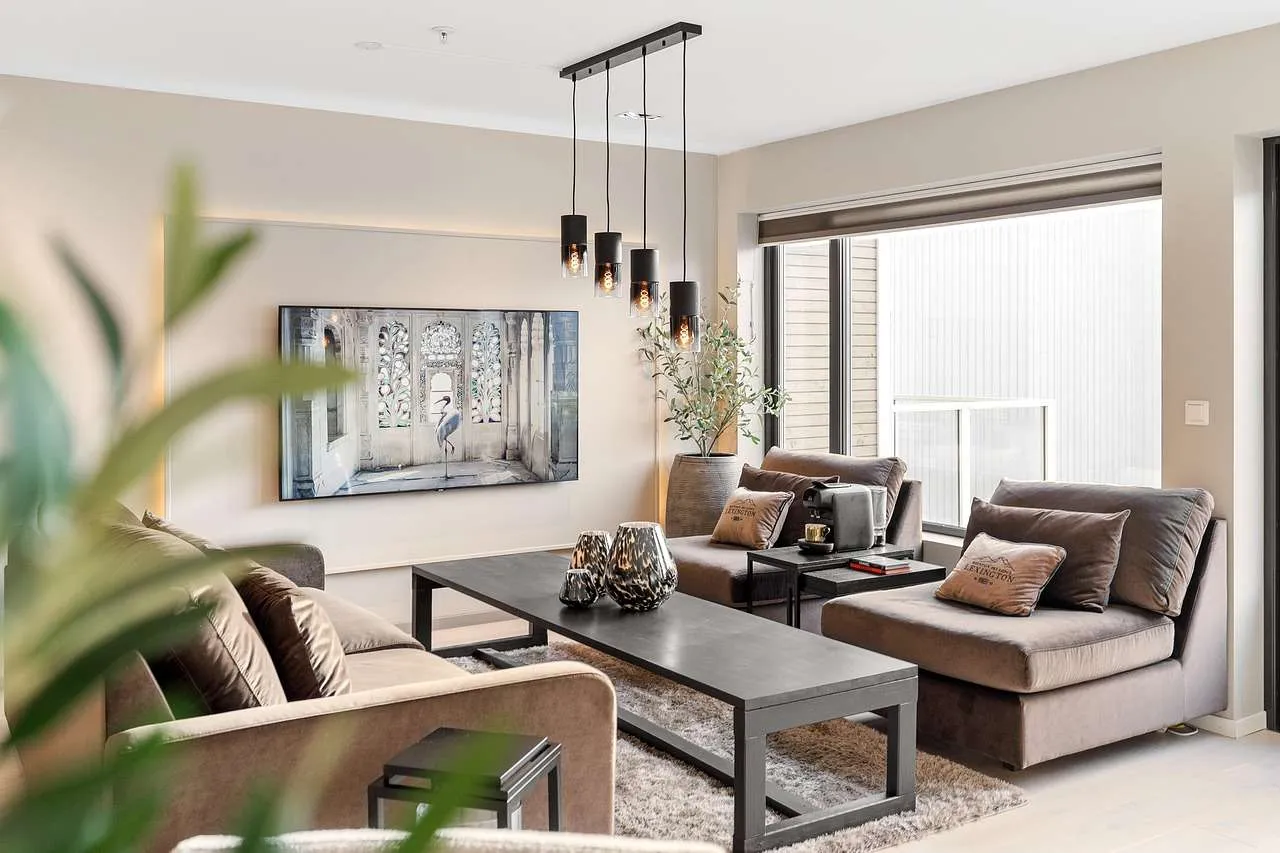
What is home window tinting?
Home window tinting refers to the application of a thin film to interior glass surfaces to manage heat, light transmission, and privacy. The film can block a substantial portion of infrared radiation (heat) and ultraviolet (UV) rays while preserving natural daylight. For homeowners, this often translates into more even indoor temperatures, reduced glare on screens and countertops, and enhanced comfort in spaces exposed to strong sun.
Benefits of home window tinting
UV protection and glare reduction
Quality window films commonly block 99% or more of UV rays, protecting furniture, flooring, and artwork from fading. By reducing glare, screens remain readable and living areas feel more comfortable during peak sun hours. This is especially valuable in rooms with south or west exposures or those with large skylights.
Energy efficiency and comfort
Tinted films reduce solar heat gain, which can lower cooling loads in warm climates. Depending on climate, film type, and window orientation, homeowners may see modest to meaningful energy savings—often in the single-digit to low-double-digit percentage range for cooling energy use. The added comfort helps regulate interior temperatures without cranking the AC, supporting year-round livability.
Privacy and security
Even modest tint levels increase daytime privacy, making it harder for people outside to see inside. Some films—especially safety and security films—adhere to glass strongly, helping hold shards together if a window is broken, which can deter break-ins and reduce the risk of injury from shattered glass.
Aesthetics and property value
Window films come in a range of tones from light to dark and with different reflectivity. The right pick complements architectural style while maintaining outdoor views. A well-chosen tint can enhance curb appeal and may contribute to long-term home value by improving energy performance and comfort.
Types of window films
Ceramic and carbon films
Ceramic films are non-metallic and highly durable. They offer strong heat rejection without interfering with electronics or causing glare, making them a popular choice for modern homes. Carbon films darken slightly while absorbing heat, delivering a balance of appearance and performance without metal; they are less prone to discoloration over time.
Dye-dyed and metalized films
Dye-dyed films are budget-friendly and provide noticeable light reduction but may fade or yellow slightly over time. Metalized films reflect a portion of heat but can interfere with radio and cellular signals; they may also show wear in extreme conditions. For homes with many smart devices, ceramic or carbon options are often preferred to avoid signal interference.
Safety and security films
Security films are designed to hold glass fragments together if shattered, offering an added layer of protection. They are especially useful in ground-floor bedrooms or homes with valuable interior finishes. The film thickness and adhesive quality determine the level of protection and cost.
Choosing the right film for your home
Consider climate, room use, and sun exposure. For sun-drenched rooms, higher heat-rejection films may improve comfort more noticeably. If you have electronics or smart home devices, opt for non-metallic options to avoid interference. Local regulations or HOA guidelines may specify permitted tint levels, so verify before installation.
Installation process: DIY vs professional
Professional installation ensures clean edges, bubble-free surfaces, and long-lasting adhesion. Installers typically assess window area, choose the appropriate film, and perform surface cleaning, measuring, and precise application. DIY kits exist but require careful surface preparation and skill to prevent dust, creases, or improper adhesion. A professional job often includes a warranty on the film and workmanship.
Maintenance and lifespan
Clean film surfaces with mild, non-ammonia cleaners and soft, lint-free cloths to avoid scratches. Avoid abrasive pads or harsh chemicals. Most residential window films are designed to last 10–20 years, with some high-quality ceramic or carbon films offering longer lifespans. Routine inspections help catch edge lifting or bubbling early, allowing prompt remedies.
Cost considerations and ROI
Budget ranges for residential window tinting typically depend on film type, window area, and labor. Expect roughly $7–$15 per square foot installed for standard residential films, with premium ceramic or security films costing more. ROI stems from reduced cooling loads, extended furniture lifespan, glare reduction, and improved comfort. In warmer climates, the energy savings can be more noticeable, while in milder areas the benefits may skew toward glare control and privacy.
Comparison of common film types
| Film Type | Key Benefit | Typical Thickness | Ideal Room | Pros | Cons |
|---|---|---|---|---|---|
| Ceramic | Excellent heat rejection, no metal interference | ~1 mil | Living rooms, east/west facing spaces | High performance, durable, non-reflective | Higher cost |
| Carbon | Dark appearance, good heat control | ~1 mil | Bright rooms needing privacy | Strong heat rejection, non-metallic | Subtle color change over time |
| Dye-dyed | Affordable tint | ~1 mil | Budget projects | Low upfront cost | May fade, less durable |
| Metalized | High reflectivity and heat rejection | ~1 mil | Homes with glare issues | Excellent heat control | Possible electronics interference |
| Safety/Security | Shatter resistance | Varies | Ground-floor windows, doors | Additional protection | Adds cost |
FAQ and tips for EEAT (expertise, authority, trust)
To ensure you get a trustworthy result, seek installers with certifications, clear warranties, and references. Ask about the film’s warranty terms, the adhesive system, and whether the work includes edge sealing and cleanup. A reputable installer will provide a written estimate, compliance with local codes, and a plan that minimizes disruption to your daily routine.
Conclusion and next steps
Choosing the right home window tinting solution involves understanding your climate, comfort needs, and budget. By selecting a film type that aligns with your goals—whether UV protection, energy savings, or enhanced privacy—and partnering with a qualified installer, you can enjoy a more comfortable home environment, protected interior furnishings, and potential long-term savings. The path to success combines expert guidance, quality materials, and proper maintenance.
Summary: By evaluating film types, considering room-specific needs, and engaging a certified installer, you can achieve meaningful heat control, UV protection, and privacy for your home, while maintaining light and improving overall value.